


Sewer lines are often overlooked by prospective home buyers because they’re not visible. However, they play a vital role in the home’s plumbing system. Aging or failing sewer lines can cause catastrophic problems for your household.
A sewer scope inspection is one of the best ways to learn about a home’s sewer line and to diagnose problems before they become too serious. If you’re in the market for a home, you should understand how a sewer scope inspection works, what issues it can reveal, and why it’s important to ask for one before closing.
What Is a Sewer Scope Inspection?
A sewer scope inspection is a video inspection of your home’s main sewer line. This is the underground pipe that directs wastewater from your plumbing to the septic tank or municipal sewer system.
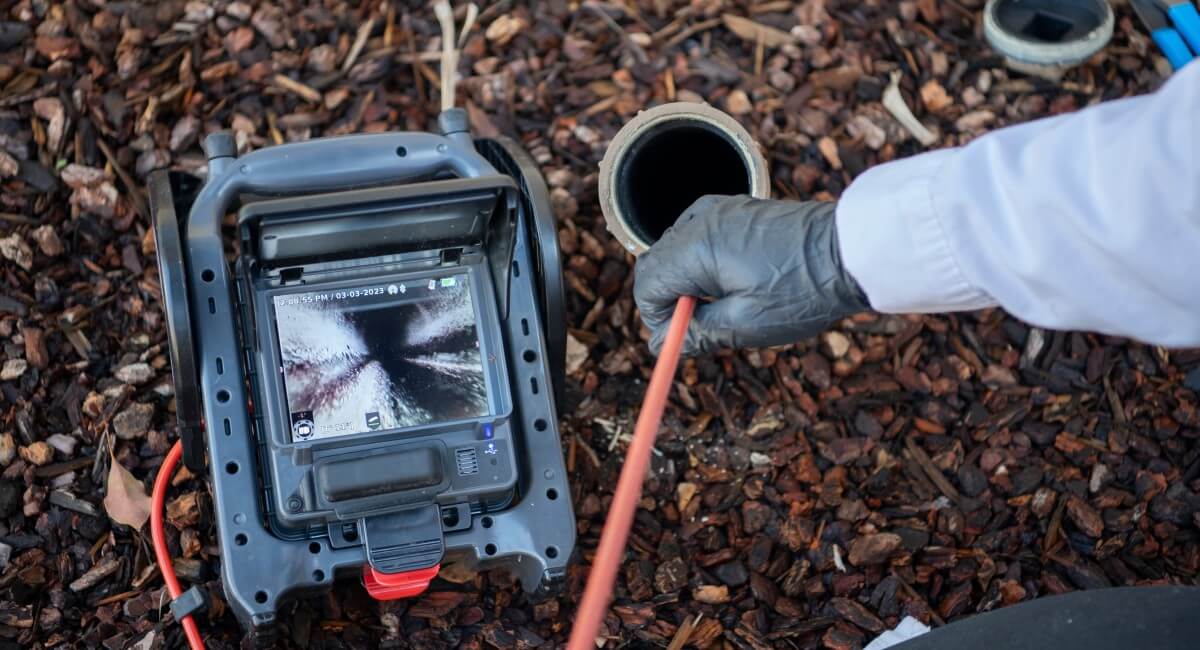
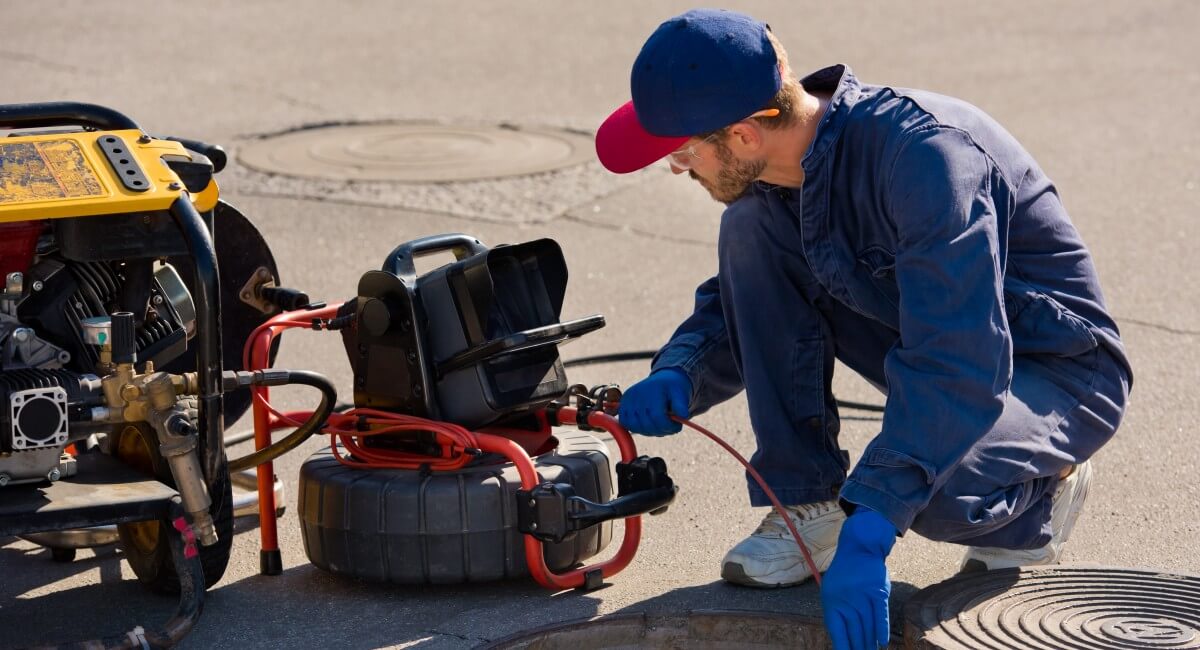
To perform this assessment, an inspector finds an access point, which is often located in the basement or yard. A camera is pushed into the access point and enters the main sewer line.
Then, the camera sends a live video feed to a monitor, which allows the inspector to visually assess the plumbing system. The inspector will look for cracks, blockages, and other problems that could affect the sewer line’s functioning.
A sewer scope inspection is a fairly quick process. Usually, the inspection can be completed in an hour or less. Afterward, the inspector will provide a report detailing the health of the sewer line and noting any problems.
The cost of the inspection varies depending on your location and the complexity of the system, but a standard inspection typically costs between $100 and $300.
Common Problems Diagnosed During an Inspection
A sewer scope inspection can reveal a lot about the condition of your home’s sewer lines, which allows you to fix minor problems before they become major hassles. The following are the most common problems revealed during the inspection:
Blockages
Blocked or clogged lines can develop from flushing trash down the toilet, pouring grease down the drain, or using the garbage disposal incorrectly. Clogs may start small, but they can get bigger over time as more debris builds up.
A full blockage can completely disrupt your plumbing system and cause back-ups into your house. This can be extremely stressful, so it’s always better to fix a blockage as soon as you find it.
Cracked Pipes
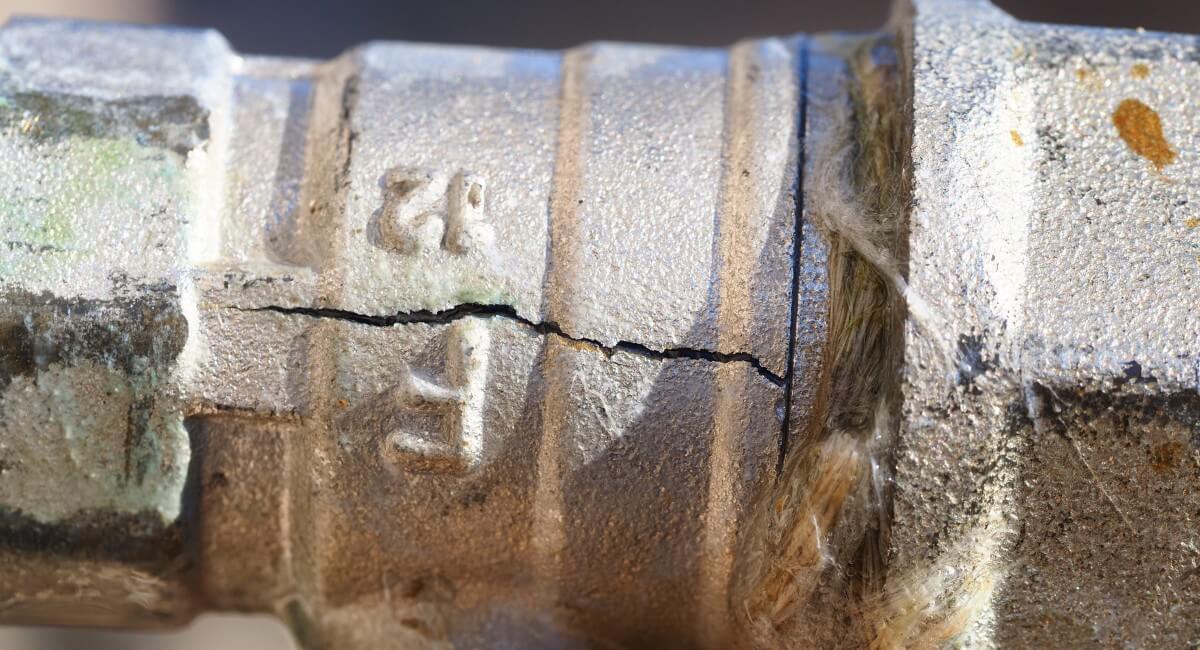
Cracks may form in the sewer line pipes as a result of age or soil movement. Underground pipes experience freeze and thaw cycles, and these repeated shifts in temperature can cause wear and tear over time. Tiny cracks can grow into larger ones, and if the cracks get big enough, the entire sewer line could collapse.
Minor cracks are sometimes fixable by inserting a liner into the existing pipe to cover the imperfections. Major cracks may require the line to be replaced, which is a much more complex and expensive project.
Corrosion
Some materials are more vulnerable to corrosion than others, so the risk of corrosion in your home’s sewer lines depends on what the pipes are made of. Corrosion can be caused by the quality of the water in your plumbing system or by the composition of the soil surrounding the line.
Corrosion weakens pipes over time, increasing the risk of cracks and collapse. Minor corrosion might be able to be fixed by re-lining the pipe. In some cases, though, corroded pipes need to be fully replaced or they’ll cause a full plumbing system failure.
Tree Roots
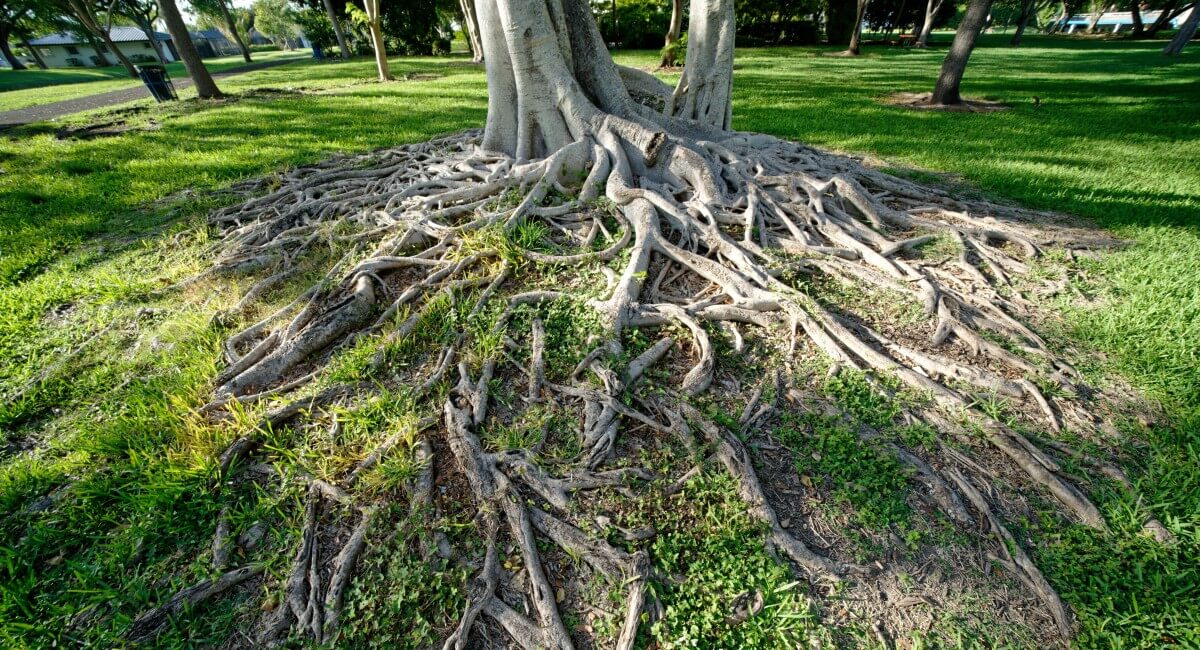
Tree roots seek moisture, and they’ll find it in the sewer lines. Roots can grow toward the pipes and enter through tiny cracks. As they grow into the plumbing system, you might experience clogs, slow drainage, or collapse of the sewer lines.
Professionals can use machinery to clear roots from sewer pipes. Re-lining the pipes to seal cracks can help prevent the roots from re-growing. However, extreme cases of root invasion may need to be handled by replacing the line entirely.
Bad Connections
A sewer scope inspection will assess the overall structural integrity of the sewer system. Your inspector should point out any misaligned joints they notice along the sewer line. These bad connections could be from past repair jobs that were done incorrectly.
Misaligned joints might not cause any problems in your plumbing system right now, but they may increase the risk of issues in the future. Correcting these connections can keep the sewer lines in good condition.
Old Materials
Your inspector should note the materials used in your home’s sewer lines. All materials have their strengths and weaknesses, but older lines are more likely to be made from cast iron or clay, which are more prone to corroding and breaking. Knowing the material the sewer pipes are made of can help you determine the expected lifespan of the system and what potential problems to be aware of.
Should You Get a Sewer Scope Inspection When Buying a House?
There’s a lot to consider when making an offer on a home, so you might wonder if it’s really worth it to request a sewer scope inspection.
A standard home inspection only covers the visible plumbing features. Your inspector might note if the plumbing is slow to drain or if the water pressure is poor, but they can’t diagnose issues in the underground lines.
Risks of Sewer Line Issues
Leaking or failing sewer pipes can pose a serious risk to your house and your household. Water that leaks from the pipes can erode the dirt under your home, leading to sinkholes and foundation damage.
A full blockage or collapse of the line can cause sewage or sewer gas to build up in your home. This can be an immediate risk to your health and can be incredibly stressful to deal with. It’s always easier to identify issues early and make small repairs than it is to manage a total system failure.

Using the Inspection to Negotiate
A sewer scope inspection is fairly inexpensive and can provide a lot of valuable information about the home’s plumbing system. When making an offer on a home, knowledge is power.
If you’re made aware of problems with the sewer line, you can reduce your offer price or request that the sellers fix the issue. Learning about the issue before you close is so much better than discovering the problem once the house is your own responsibility.
Signs a House Needs a Sewer Line Inspection
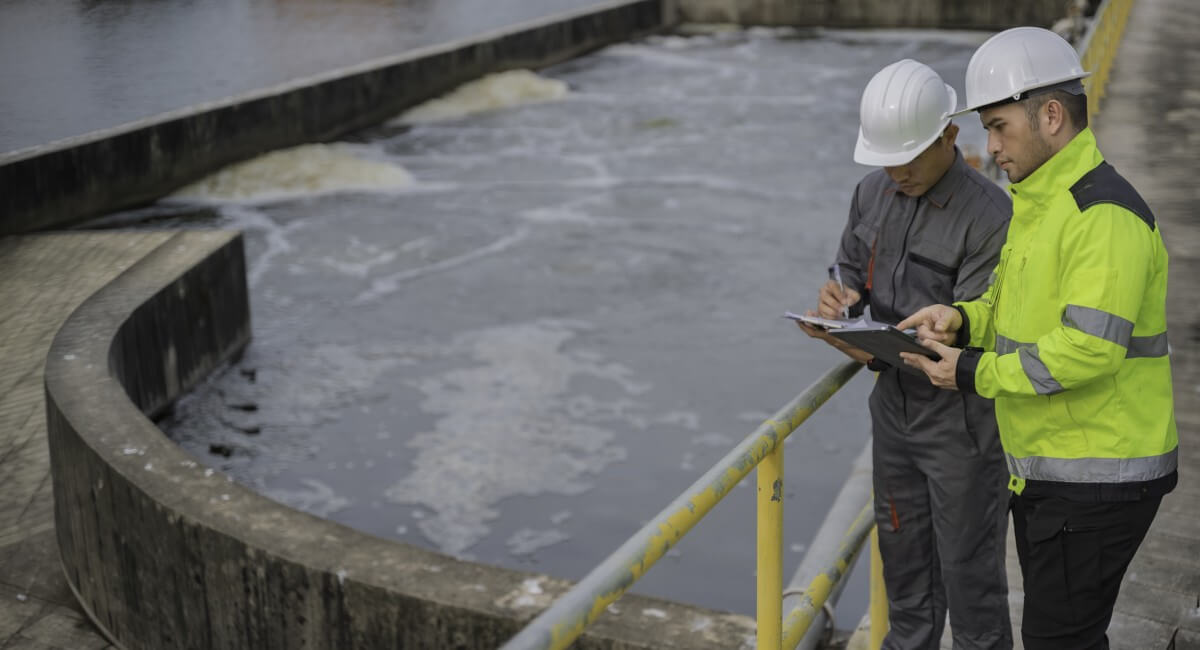
A sewer scope inspection is valuable for any house, but it’s especially necessary in certain situations.
If the house is more than 20 years old, you should absolutely get an inspection. At this point, the pipes are vulnerable to corroding and leaking because of their age.
Here are some other signs that there may be problems with the sewer lines:
- Slow drains
- Odors around the drains
- Bright green patches of grass near the sewer line
- Flies or other pests near drains or outside near the sewer line
- Large trees growing near the line
A sewer scope inspection is always a good idea, but it’s especially important if a home is older or has signs of plumbing problems. When making an offer on a house, consider requesting a sewer scope inspection along with a standard home inspection. Knowing the condition of the sewer lines gives you negotiating power and helps you avoid costly problems down the road.